
We make our list, or take it from our Fourth Step, and add additional people as we think of them. We face this list honestly, and openly examine our faults so we can become willing to make amends. Letting go of character defects should be done decisively. Where we were proud, we now find that we cannot get away with arrogance. If we are greedy, we find that we are never satisfied.

For individuals struggling with addiction, this environment can exacerbate feelings of powerlessness, further hindering their recovery journey. Addressing these issues is crucial for fostering healthier workplaces and supporting those in recovery. By recognizing their powerlessness, individuals can take the first step toward healing and reclaiming control over their lives.
What Does Powerlessness Mean in the 12 Steps?
It will not make us better people to judge the faults of another. It will make us feel better to cleanup our lives by relieving ourselves of guilt. By writing our list, we can no longer deny that we caused harm.
Breaking Through: Accepting Powerlessness as a Path to Recovery
We begin to develop this relationship by simply admitting to the possibility of a Power greater than ourselves. Most of us have no trouble admitting that addiction had become a destructive force in our lives. Our best efforts resulted in ever greater destruction and despair. At some point, we realized that we needed the help of some Power greater than our addiction. We can call it the group, the program, or we can powerless over alcohol examples call it God. The only suggested guidelines are that this Power be loving, caring, and greater than ourselves.
Since we can do this only for ourselves, we need to recognize two of our seemingly inherent enemies, apathy and procrastination. Our resistance to change seems built in, marijuana addiction and only a nuclear blast of some kind will bring about any alteration or initiate another course of action. A relapse, if we survive it, may provide the charge for the demolition process. A relapse and sometimes subsequent death of someone close to us can do the job of awakening us to the necessity for vigorous personal action.
What Are The 12 Steps in a 12 Step Program? FAQs
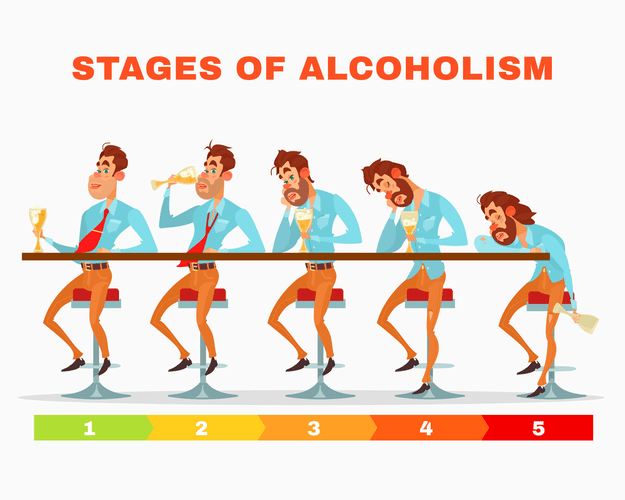
All through our usage, we told ourselves, “I can handle it.” Even if this was true in the beginning, it is not so now. Very simply, an addict is a person whose life is controlled by drugs. The Twelve Steps are designed as a progressive process where each step builds on the previous one. Skipping steps can disrupt spiritual growth and leave all these defects unresolved.
The best place to look for a sponsor is at an NA meeting. Other places to seek a sponsor are NA events, such as service meetings and conventions. In seeking a sponsor, most members look for someone they feel they can learn to trust, someone who seems compassionate and who is active in the program. Most members, particularly those who are new to NA, consider it important to find a sponsor with more clean time than they have. One suggestion is to have regular contact with our sponsor.
- When no alcohol or other chemicals bathe the addicted brain, its motivation to return to use is thwarted.
- The pain forces us to seek a Power greater than ourselves that can relieve our obsession to use.
- First, we have to understand that we will never be able to control our drinking or our drugging – we will always be powerless over chemical substances if we start using them again.
- Working Step 1 means fully admitting we have no control over our drinking or drug use.
- I knew that I was powerless over my addiction for a long time before I had the courage to get help.
Subscribe to TGIF, Our Recovery Newsletter
Engaging in spiritual practices, such as prayer, meditation, or journaling, can deepen the connection with a higher power and provide a source of guidance and support. It’s important to note that the concept of a higher power is highly individual and can take various forms. Each person’s spiritual journey is unique, and finding what brings meaning and strength is a personal exploration. If you or your loved one’s life has become unmanageable, get help from a local AA meeting or treatment center today. MARR Addiction Treatment Centers specialize in treating individuals whose lives have been destroyed by addiction.
Tools and Practices for Embracing Powerlessness
Life takes on a new meaning, a new joy, and a quality https://ecosoberhouse.com/ of being and feeling worthwhile. We become spiritually refreshed and are glad to be alive. One aspect of our spiritual awakening comes through the new understanding of our Higher Power that we develop by sharing another addict’s recovery.
Admitting Powerlessness
- We pray or otherwise become willing, ready, and able to let God remove these destructive traits.
- We admitted to God, to ourselves, and to another human being the exact nature of our wrongs.
- There may be setbacks and challenges along the way, but each step forward is a victory.
Slowly, I came to believe and slowly the promises are becoming reality. If you’re ready to take that first step, there are numerous resources available to help you on your journey. From addiction hotlines and treatment centers to support groups and online resources, help is within reach. Remember, reaching out for help is not a sign of weakness, but a courageous act of self-love and determination. Recognizing these signs in yourself or others can be a crucial first step towards seeking help and beginning the journey of recovery. It’s not about admitting defeat, but rather acknowledging the reality of the situation so that you can start to take action.
We admitted we were powerless over our addiction – that our lives had become unmanageable
- Join our supportive sober community where each day becomes a step towards personal growth and lasting positive change.
- We begin to experience real personal feelings of a spiritual nature.
- We need only make sure that we have a system of belief that works for us.
- By recognizing powerlessness, individuals can let go of old patterns, seek support from others, and develop healthier coping mechanisms.
- It never occurred to us to ask, “If we can’t control our addiction, how can we control our lives?
Often, it means simply listening to those hunches and intuitive feelings that we think would benefit others or ourselves, and acting on them spontaneously. Here is where many basic principles of action become apparent. We are then able to make decisions based on principles that have real value to ourselves. In personal growth, we use both freedom and goodwill in cooperation with others. We realize we cannot live alone, that personal growth is also interpersonal growth.